

Coastal landscaping ideas blend natural beauty with resilience, offering salt-tolerant, low-care solutions perfect for seaside living. As an expert designer at Omni Home Ideas, I’ll share honest, actionable tips so you can create your dream coast-inspired space without worry—even in harsh salt-laden winds.

1. Native Dune Grass Borders with Coastal Pathways

Planting native dune grasses along meandering pathways produces a wild, protective edge that thrives in sandy, salty soil. Dune grasses like American Beachgrass and Sea Oats are among the best plants for coastal landscaping—they control erosion, tolerate salt, and adapt to wind exposure.
For homeowners seeking low maintenance coastal landscapes, use these grasses to form organic borders around paths:
- Lay a natural, winding pathway using stone or shells.
- Buffer the edges with thick plantings of Ammophila or Uniola.
- Top-dress walkways with beach pebbles for extra coastal charm.
“Native grasses form the backbone of successful beach landscaping ideas, requiring minimal water and no fuss.”
Pro tip: Mix in a handful of sea lavender or seaside goldenrod for seasonal color pops.
Cons: Some dune grasses may self-seed aggressively, so contain them with edging if neatness is a priority.
2. Salt Tolerant Succulent Rock Gardens for Effortless Style
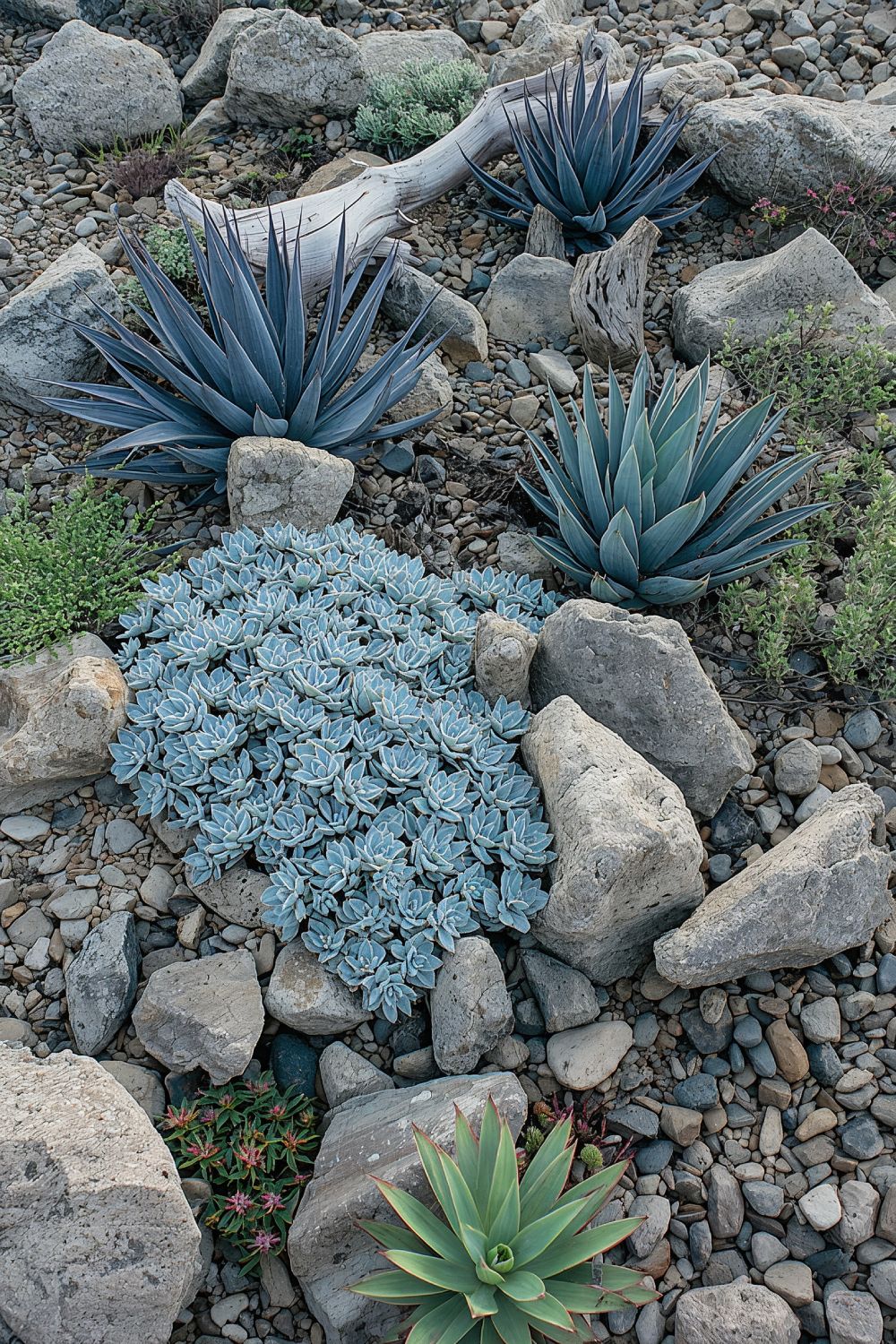
A salt tolerant succulent rock garden delivers bold shape and color while shrugging off salt spray and drought. These resilient plants like Sedum, Ice Plant, or Carpobrotus are ideal seaside garden plants: sculptural, evergreen, and nearly indestructible.
Who benefits most? Anyone needing reliable groundcover in tough coastal spots:
- Group succulents around boulders to anchor beds.
- Fill gaps with gravel or coastal stones.
- Select dramatic agaves, kalanchoe, or even colorful aloe for standout features.
“A study shows that drought tolerant coastal plants can save up to 50% of typical landscape water use.”
Pro tip: For extra punch, mix silver-leaf succulents with variegated euphorbias.
Cons: Some succulents dislike frost—ensure your selections match your coastal climate.
3. Natural Stone Paver Walkways with Beach Pebble Accents

Nothing says “beachy” like walkways made from natural stone pavers bordered with smooth beach pebbles. This approach to coastal hardscape materials combines durability with texture, elegantly guiding guests through your garden.
Implementation is as easy as:
- Mark the pathway with landscape paint.
- Lay natural flagstones, leaving small gaps for pebbles.
- Fill gaps and edges with polished white, gray, or tan pebbles.
This design is highly versatile—great for relaxed, informal gardens or upscale front yards alike.
Cons: Pebbles can shift over time; consider metal edging if you prefer crisp lines.
4. Wind Resistant Ornamental Grass Clusters for All-Season Interest
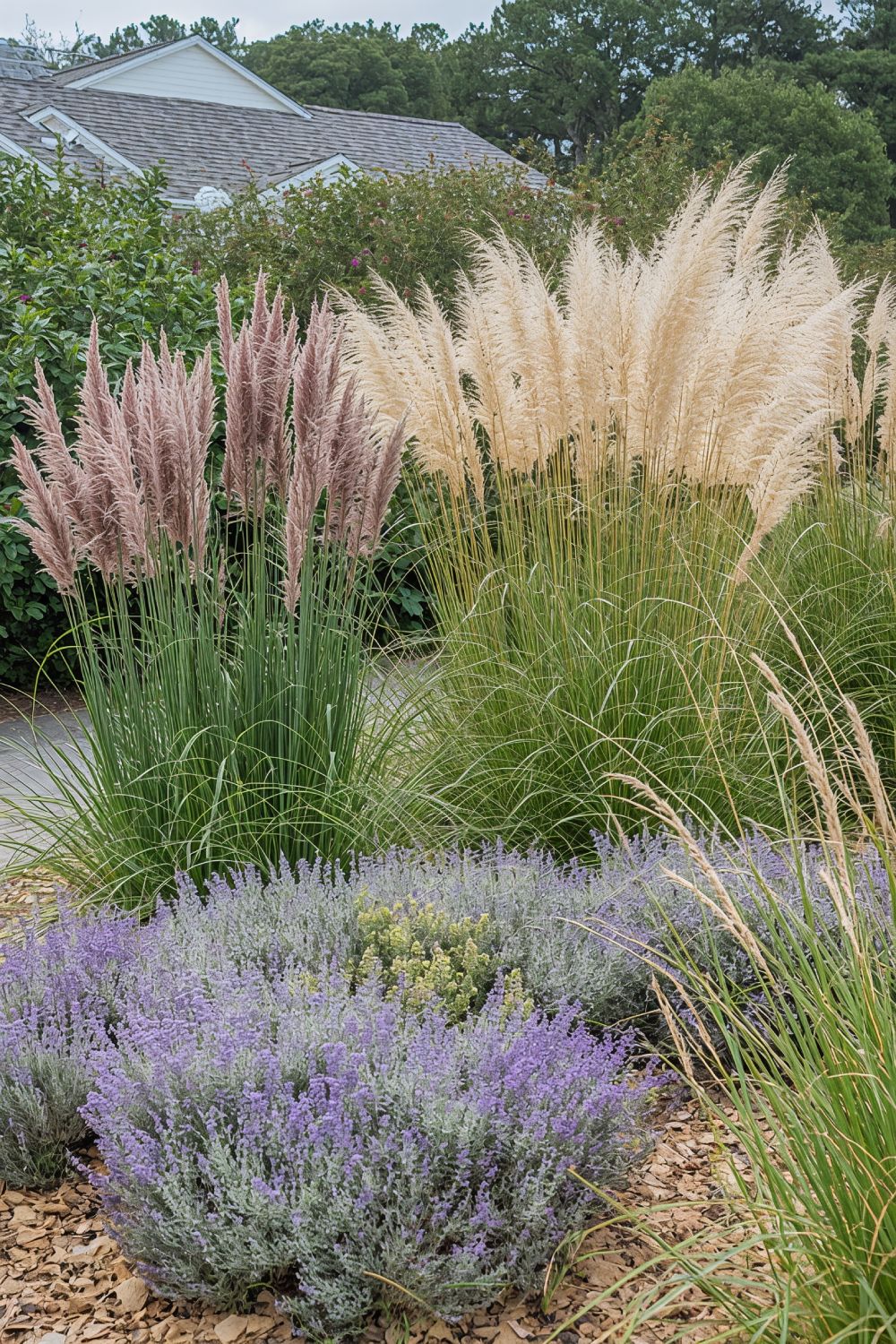
Using ornamental grasses that are wind-resistant provides movement, sound, and vertical structure—even in gusty coastal microclimates. Grasses like Muhlenbergia, Fountain Grass, and Blue Lyme Grass are standout choices for coastal garden design.
Why it’s important: Grasses soften hard landscapes, suppress weeds, and require little supplemental watering.
Styling tips:
- Plant in irregular, natural clusters.
- Combine tall types as focal points and mid-sized varieties for massing.
- Leave seed heads intact over winter for wildlife and visual interest.
“Ornamental grasses can reduce soil erosion by up to 60% along exposed waterfronts.”
Cons: Annual spring cutbacks are needed for the neatest look.
5. Coastal Privacy Hedge with Native Evergreen Shrubs

For natural screens, native evergreen shrubs—such as Wax Myrtle, Coastal Rosemary, or yaupon holly—deliver all-season greenery and privacy. These low maintenance options handle salt spray and wind beautifully, making them perfect for the front yard or property borders.
How to implement:
- Plant in staggered double rows for quick, dense coverage.
- Mulch thickly with crushed shells for root protection and a maritime touch.
- Prune lightly to keep natural form.
Pro tip: Mix flowering natives like viburnum for bonus color and pollinators.
Cons: Some evergreens can grow quite large; plan for mature height and width.
6. Beach Inspired Driftwood Water Features

A driftwood water feature adds a calming, reflective element—perfectly embodying the beach’s natural vibe. Use weathered driftwood as sculptural fountains, spillways, or frames for small bubbling ponds.
Why it’s great:
- Driftwood is abundant in many coastal areas and eco-friendly.
- Its organic forms blend seamlessly with sand, gravel, and native plantings.
- Works well in both modern and rustic garden designs.
Steps to create your own:
- Source sturdy, salt-worn driftwood pieces.
- Drill channels for water tubing if needed.
- Anchor in a pond liner or shallow basin with hidden pumps.
- Surround with pebbles and salt tolerant coastal plants.
Cons: Driftwood eventually weathers and may need replacement over years.
7. Crushed Shell Garden Mulch and Ground Cover for Eco-Friendly Appeal

Crushed shell mulch isn’t just beautiful; it also reflects heat, blocks weeds, and adds nutrients to sandy soil—an ideal ground cover for coastal plants. Use in pathways, under shrubs, or to highlight a front yard feature.
Key benefits:
- Salt-tolerant and excellent for soil structure.
- Lighten up shaded areas by reflecting more sunlight.
- Creates that “toes-in-the-sand” coastal look instantly.
“Studies suggest that crushed shell mulch can increase soil pH and improve drainage—a win for many coastal species.”
Pro tip: Pair shells with drought tolerant coastal plants for the ultimate low care garden.
Cons: Shells can compact over time; rake periodically to refresh.
8. Native Wildflower Meadow with Coastal Grasses for Biodiversity
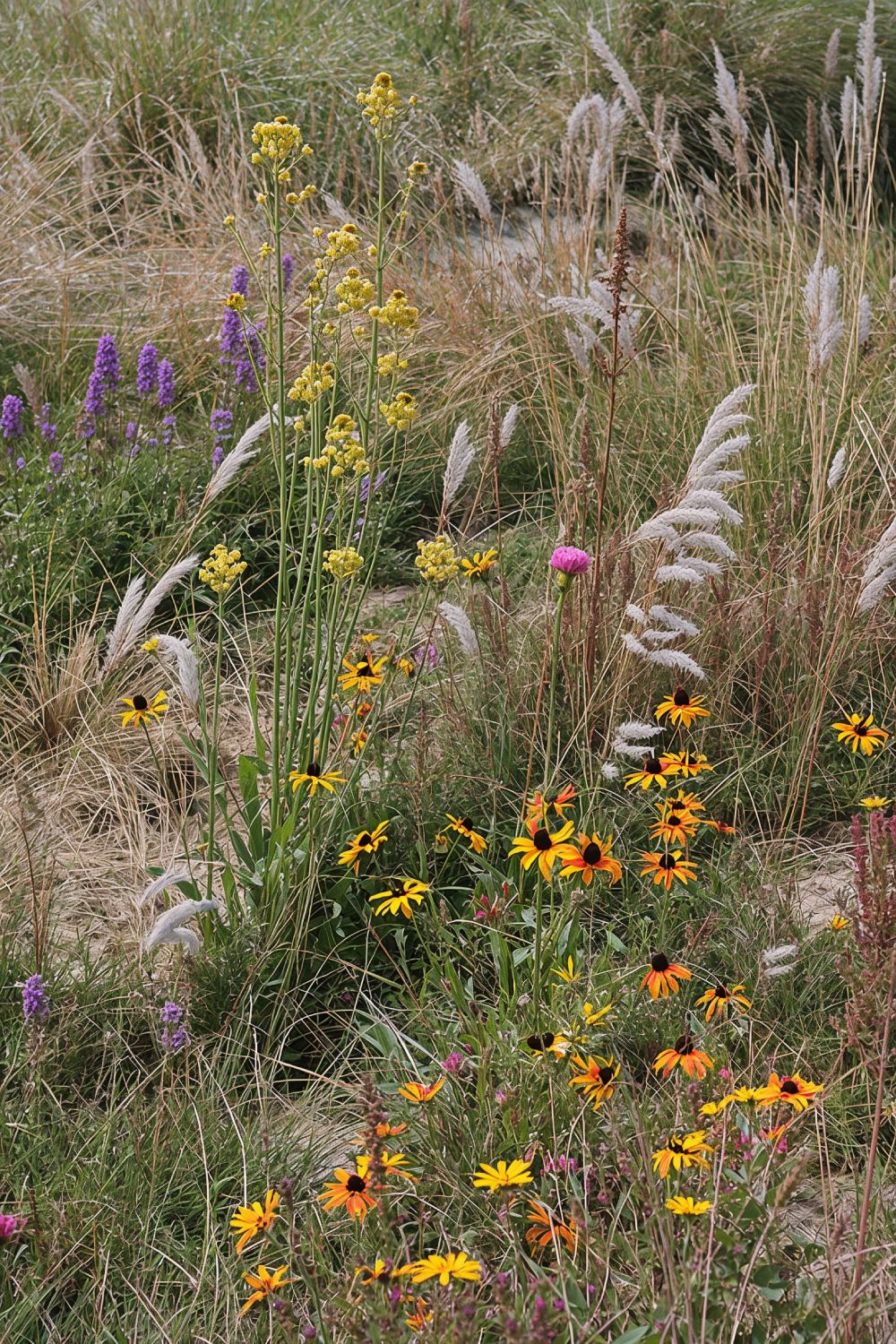
A native wildflower meadow mixed with coastal grasses offers wildlife habitat, all-season color, and a relaxed, painterly effect. This combo is especially suited to larger yards, open plots, or secondary side gardens.
Why use this approach?
- Attracts pollinators and birds.
- Thrives with little water or fertilizer.
- Allows you to showcase local seaside garden plants.
Styling ideas:
- Sow wildflower seed mixes suited to your specific coastal zone.
- Interplant with coastal ryegrass, seaside goldenrod, and blue fescue.
Cons: Meadows require patience for establishment and may need annual reseeding in high-traffic areas.
9. Weathered Cedar Planter Boxes with Tropical Palms

Use weathered cedar planter boxes to anchor exotic, beachy elements (like dwarf palms or yucca) in your design. Cedar stands up to humidity, rot, and salt, while tropical plants bring lush foliage and architectural interest to hardscapes, patios, and driveways.
Who loves this solution? Urban coastal homeowners or renters, since it adds greenery where in-ground planting isn’t possible.
Design tips:
- Group boxes of different sizes for visual depth.
- Mix palms with low, drought tolerant succulents.
- Rotate pots seasonally if needed.
Cons: Cedar planters will gray naturally—if you prefer rich wood tones, a regular oiling is required.
10. Granite Boulder Seating Areas with Coastal Groundcover for Versatility
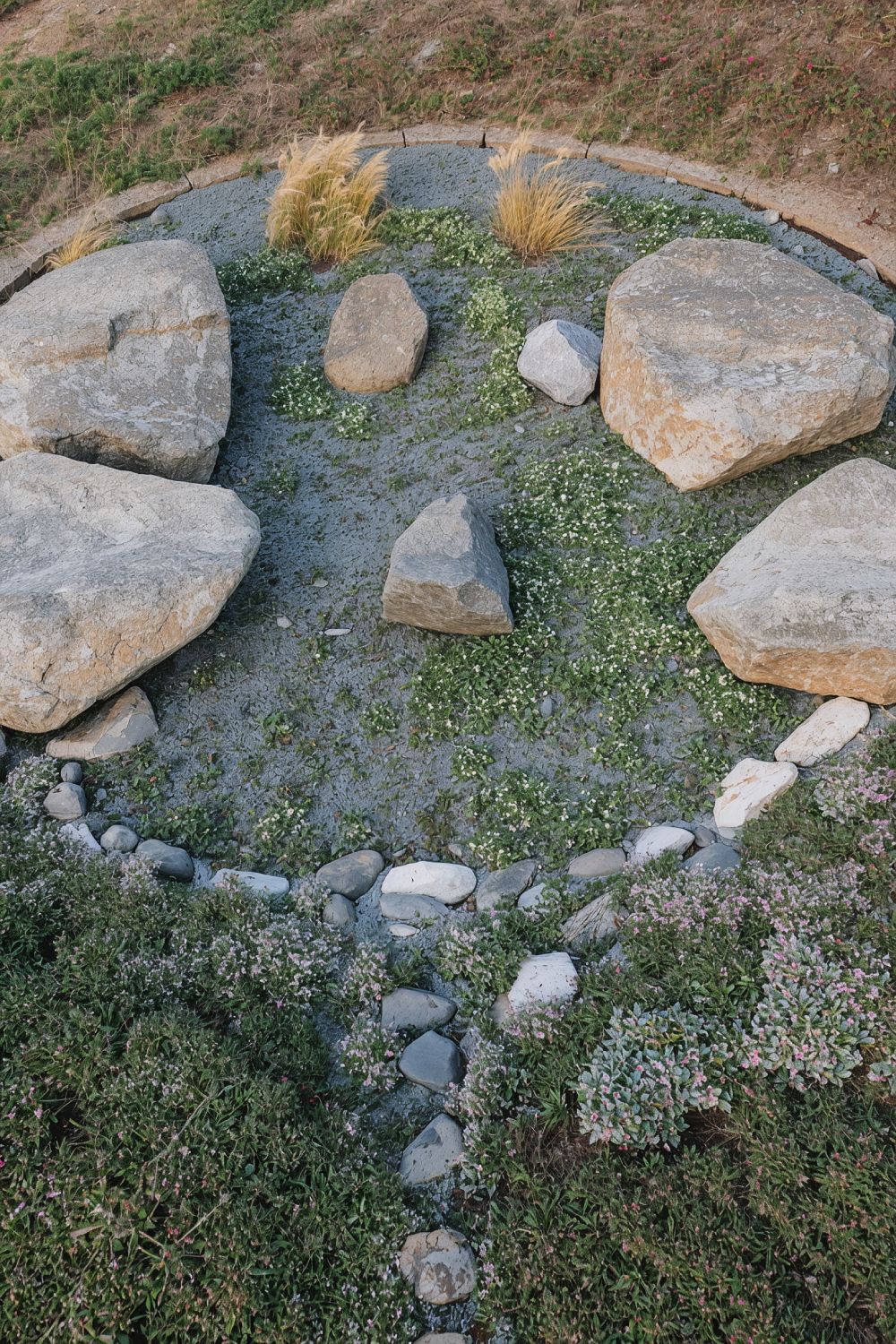
Incorporating granite boulders as informal seating blurs the line between sitting spots and landscaping. Tuck them into beds of salt tolerant, low-growing groundcovers like creeping thyme, sea thrift, or ice plant. This creates “rest stops” and casual gathering places within your coastal landscape.
How to do it:
- Choose smooth, large boulders (local stone if possible).
- Position in shaded or open areas overlooking views.
- Surround with resilient, low-water groundcover for textural contrast.
Benefits:
- Maintenance-free seating never needs replacing.
- Groundcovers fill gaps, block weeds, and add drifts of color.
Cons: Moving boulders requires professional equipment—factor installation into your budget.
Conclusion
A truly low maintenance coastal landscape isn’t just about beauty—it’s about smart, resilient planting and honest material choices that thrive on our beaches. By blending salt tolerant plants coastal, clever hardscaping, and a touch of creativity, you’ll build a garden that endures tough conditions while looking effortlessly stunning.
| Landscaping Idea | Best For | Maintenance Level | Budget Range | Key Benefits |
|---|---|---|---|---|
| Native Dune Grass Borders | Erosion control, pathways | Low | $500 – $2,000 | Wind-resistant, natural look, prevents erosion |
| Salt-Tolerant Succulent Gardens | Rock gardens, front yards | Very Low | $300 – $1,500 | Drought-resistant, unique textures, minimal watering |
| Natural Stone Paver Walkways | Main pathways, driveways | Low | $2,500 – $8,000 | Durable, excellent drainage, non-slip surface |
| Wind-Resistant Ornamental Grasses | Privacy screening, borders | Low | $400 – $1,800 | Movement and sound, no mowing, salt-tolerant |
| Native Evergreen Privacy Hedge | Property lines, windbreaks | Moderate | $1,200 – $4,500 | Year-round screening, hurricane-resistant, wildlife habitat |
| Driftwood Water Features | Focal points, patios | Low | $800 – $3,500 | Soothing sounds, authentic coastal aesthetic, solar-powered options |
| Crushed Shell Garden Mulch | Garden beds, pathways | Very Low | $200 – $800 | Weed suppression, improves soil pH, authentic beach look |
| Native Wildflower Meadow | Large yards, slopes | Very Low | $600 – $2,500 | Pollinator-friendly, no mowing, seasonal color |
| Cedar Planter Boxes with Palms | Patios, decks, entryways | Moderate | $400 – $2,000 | Portable, hurricane prep, tropical style |
| Granite Boulder Seating Areas | Gathering spaces, slopes | Very Low | $1,500 – $5,000 | Natural seating, erosion control, permanent feature |
To finish, here are two bonus tips:
Plant in layers—from tall grasses to groundcovers—to maximize storm resistance and visual interest.
Consider installing a rain garden or bioswale to manage runoff and protect ocean water quality.
Ready to transform your garden? Start with one or two of these expert coastal landscaping ideas, and let your seaside haven evolve. Don’t forget to subscribe to Omni Home Ideas for more honest tips and the latest in beach landscaping inspiration!
